
How to Rest a Brisket After Smoking?
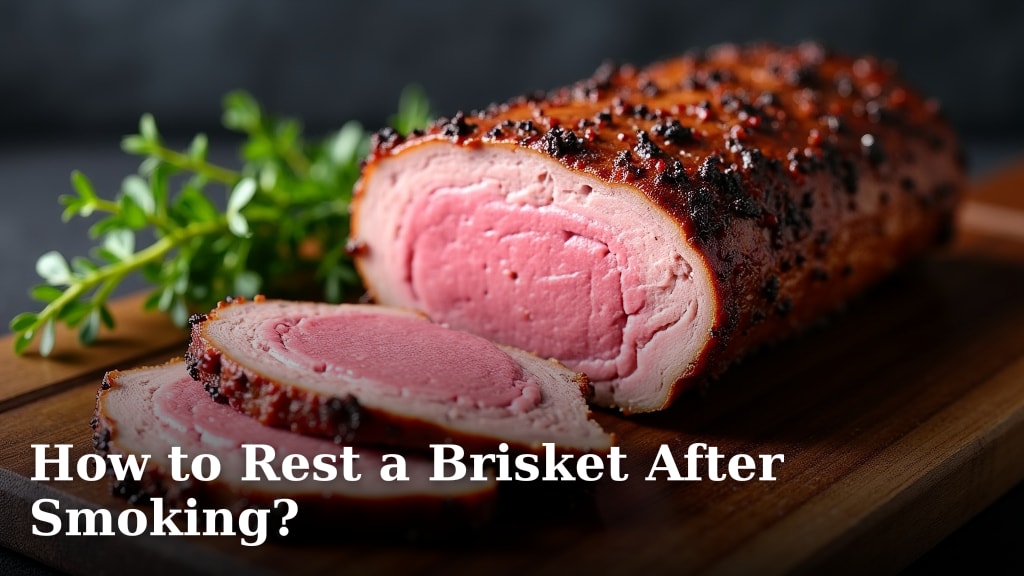
To rest a brisket after smoking, wrap it tightly in butcher paper or foil, then place it in an insulated cooler. This crucial step allows the meat to reabsorb juices evenly, making it incredibly tender and juicy. We found resting your brisket for at least two to four hours is ideal after smoking.
You’ve poured hours into smoking that brisket. You want it perfect. Skipping the rest period is a common mistake that dries out your meat. A proper rest lets the internal temperature stabilize and those delicious juices redistribute throughout the entire cut. It makes a huge difference in taste and texture.
- Understand why resting matters for juiciness.
- Learn the best materials for wrapping your brisket.
- Discover the ideal resting environment and temperature.
- Figure out how long to rest your brisket.
- Avoid common mistakes that ruin your smoked meat.
Let’s walk through exactly how to rest your brisket correctly, ensuring every slice is a succulent masterpiece.
Proper Brisket Resting Techniques
The moment that beautiful, smoky brisket comes off your smoker is thrilling. But patience is key here. Resting is not just a suggestion; it’s a critical step that transforms good barbecue into legendary barbecue. Think of it as the brisket’s cool-down period after a long marathon. This allows all those heated juices to settle back into the meat fibers.
Why Resting Your Brisket is Non-Negotiable
You might be tempted to slice right into that delicious-smelling brisket. Please don’t! We understand the anticipation, but cutting too early can undo hours of hard work. When meat cooks, its fibers tighten, pushing moisture to the center. If you slice hot meat, those juices simply pour out onto your cutting board. You’ll end up with a dry, tough piece of meat.
A proper rest allows the meat fibers to relax. As they relax, the juices redistribute throughout the entire brisket. This process creates that incredibly tender and juicy texture you’re aiming for. It’s the secret behind barbecue that practically melts in your mouth. Many pitmasters say it’s as important as the smoking process itself.
Gather Your Resting Arsenal: Necessary Supplies
Before your brisket even leaves the smoker, have your resting supplies ready. This ensures you can seamlessly transition to the rest phase, maintaining that precious heat. You don’t want to scramble around looking for items when time is of the essence.
Butcher Paper vs. Foil: Which Is Best?
This is a debate as old as barbecue itself, but both have their merits. What’s your goal? Each material excels in different areas.
- Unwaxed Butcher Paper: We found that butcher paper allows the brisket to breathe slightly. This helps prevent the exterior bark from becoming too soggy. It still retains moisture effectively but allows some steam to escape. Many competition pitmasters swear by it for a better bark texture.
- Heavy-Duty Aluminum Foil: Foil creates a tighter seal, trapping almost all the moisture and heat. If you’re struggling with a dry brisket, or want maximum juice retention, foil might be your best bet. However, it can make your coveted bark a bit softer due to trapped steam.
Our research shows that for most home cooks, either will work well. The goal is primarily to contain the juices and heat, which both materials accomplish. You can even combine them, wrapping in butcher paper first, then adding a layer of foil for extra insulation.
The All-Important Insulated Cooler
Think of your cooler as a makeshift warm oven. It’s perfect for maintaining the brisket’s temperature during its rest. A high-quality cooler, like a YETI or RTIC, can keep your brisket warm for hours. This isn’t about cooling; it’s about holding temperature. An empty cooler works as an excellent insulator. We recommend one a bit larger than your brisket to allow for air circulation and easier placement.
The Step-by-Step Brisket Resting Process
You’ve invested hours tending that smoker, carefully managing temperature and smoke. Now, let’s make sure those final steps are perfect. This process is straightforward but requires attention to detail. Don’t rush this final stage. It truly makes all the difference in the final product you serve your family and friends.
Step 1: Off the Smoker and Wrapped
First, monitor your brisket’s internal temperature. For most briskets, a target range of 200-205°F is ideal for tenderness (Texas A&M AgriLife Extension). Once it reaches this range, carefully remove it from the smoker. Use sturdy tongs or barbecue gloves. You don’t want to drop this culinary masterpiece.
Next, it’s wrapping time. Lay out several sheets of your chosen material (butcher paper or foil) on a clean surface. Place the brisket fat-side up or down, depending on your preference for bark. Wrap it tightly, like a present, ensuring there are no gaps for steam or juices to escape. A good, secure wrap is critical for retaining moisture.
Step 2: The Warm Holding Environment
Once wrapped, transfer your brisket to the pre-warmed cooler. You can “pre-warm” the cooler by pouring a little hot tap water inside and letting it sit for 10-15 minutes, then emptying it. This prevents the cooler from shocking the brisket with a cold interior. Place the wrapped brisket inside. You can even add some old towels to fill any empty space, further insulating it. This helps keep the temperature stable for longer. Close the lid tightly.
Ideal Resting Temperature and How to Maintain It
The goal during resting is for the brisket’s internal temperature to slowly drop, not plummet. We found that the brisket should ideally remain above 140°F (the “danger zone” according to the USDA) for food safety. A good cooler will typically keep your brisket well above this temperature for several hours. This extended warmth allows for that crucial fiber relaxation and juice redistribution without overcooking the meat.
Step 3: Patience is a Virtue – How Long to Rest
Now, for the hardest part: waiting. How long should you wait? There isn’t a one-size-fits-all answer, but we have some strong recommendations. For most briskets, a minimum of 2 hours is essential. However, we often recommend 3 to 4 hours for optimal results. Some pitmasters even push it to 6 hours or more for larger briskets.
Think about it like this: you wouldn’t pull a cake out of the oven and immediately cut it, right? It needs time to set. Your brisket is the same. The longer rest, within reason, usually leads to a more succulent outcome. Don’t worry, the cooler will keep it warm enough. You can always use a probe thermometer, inserted through the foil into the thickest part, to monitor the internal temperature if you’re concerned.
Checklist for a Perfect Brisket Rest
- Remove brisket at 200-205°F internal temperature.
- Wrap tightly in butcher paper or heavy-duty foil.
- Place wrapped brisket in a pre-warmed insulated cooler.
- Rest for a minimum of 2 hours; 3-4 hours is ideal.
- Keep the internal temperature above 140°F for safety.
Troubleshooting and Common Resting Mistakes
Even with the best intentions, things can go awry. We want you to avoid common pitfalls that can diminish your brisket’s quality. Learning from others’ mistakes ensures your success. Pay attention to these tips; they can save your barbecue. You’ve worked too hard to let simple missteps ruin the finish.
Mistake 1: Not Resting Long Enough
This is by far the most common error. The lure of hot, fresh brisket is powerful. But a short rest means all those delicious juices will spill out when you slice. You’ll be left with dry, stringy meat instead of tender, moist slices. It’s like pouring water through a sieve – it just runs right through. Resist the urge to cut too soon!
Mistake 2: Resting in the Wrong Environment
Leaving your wrapped brisket on a cutting board on the counter is a recipe for disaster. It will cool down too quickly, and the resting process won’t be effective. The meat will still be tough and lose moisture. A towel-wrapped brisket on the counter might buy you 30-45 minutes, but it’s no match for a proper cooler. The goal is a slow, gradual temperature drop.
Mistake 3: Over-Resting or Letting it Get Too Cold
While a long rest is good, there’s a limit. If your cooler isn’t insulated properly, or if you rest for an excessively long time (e.g., 8+ hours in a subpar cooler), your brisket can drop below the safe holding temperature of 140°F. Not only is this a food safety concern, but the fat can also start to congeal, affecting the texture. The USDA recommends keeping hot food above 140°F.
Monitoring Brisket Temperature During Rest
If you’re unsure about your cooler’s performance or plan a very long rest, consider using a leave-in probe thermometer. Insert the probe through the wrapping into the thickest part of the brisket. Close the cooler lid around the wire. This allows you to monitor the temperature without opening the cooler and releasing heat. It’s a simple step that provides peace of mind. You’ll know exactly when your brisket is ready to be sliced and served.
| Resting Duration (Approx.) | Brisket Size | Expected Outcome |
|---|---|---|
| 1 – 2 Hours | Small (5-8 lbs raw) | Good; juices somewhat reabsorbed. |
| 2 – 4 Hours | Medium (8-12 lbs raw) | Optimal; maximum tenderness & juiciness. |
| 4 – 6 Hours | Large (12-16 lbs raw) | Excellent; works well for very large cuts. |
| 6+ Hours | Extra Large (16+ lbs raw) | Possible if cooler is very well insulated; monitor safety temp. |
Conclusion
You’ve seen how a proper rest makes all the difference for your smoked brisket. It’s the final, yet arguably most important, step in achieving that perfect, melt-in-your-mouth texture. By wrapping your brisket tightly and allowing it to rest in an insulated cooler for two to four hours, you ensure every slice is incredibly juicy and tender. Don’t let impatience sabotage your hard work. We found that this simple act transforms your barbecue from good to truly legendary. Now, go forth and enjoy the fruits of your labor!
Frequently Asked Questions
Can I rest a brisket in an oven set to a warm temperature?
Yes, you can rest a brisket in an oven set to its lowest “keep warm” setting, typically around 150-170°F. This can be a good alternative if you don’t have an insulated cooler or need to hold it for a very long time. Just be mindful not to let it dry out.
What if my brisket finishes smoking much earlier than I plan to serve it?
If your brisket finishes early, a long rest in a high-quality insulated cooler is your best friend. A properly packed cooler can keep a brisket hot and juicy for 4-6 hours, sometimes even longer. You can also use an oven on its lowest warm setting for extended holding.
Should I unwrap the brisket before slicing it after resting?
Yes, you should unwrap the brisket right before you plan to slice and serve it. Keep it wrapped during the entire resting process to retain all those precious juices and heat. Only unwrap it when you’re ready to carve.
Can resting improve a brisket that was slightly overcooked and dry?
While resting won’t magically re-moisturize an extremely dry or overcooked brisket, it can certainly help. The redistribution of what little moisture is left can make it seem slightly more palatable. It’s always best to aim for perfect doneness, but resting is still beneficial.
Do I need to put a wire rack under the brisket in the cooler?
No, a wire rack isn’t strictly necessary when resting a brisket in a cooler. The goal is to keep it warm and allow juices to reabsorb. Placing it directly in the cooler, perhaps on some old towels, works perfectly fine. The wrapping prevents it from sitting in its own rendered fat.
