
How to Smoke a Turkey?
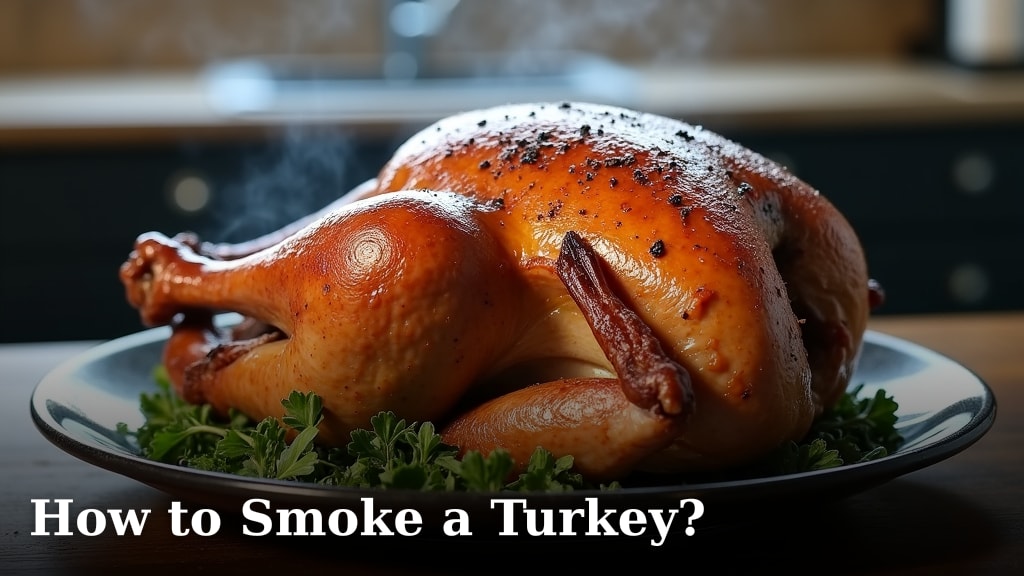
The easiest way to smoke a turkey is to use a smoker set to a low, consistent temperature, like 225°F to 275°F. You will want to use a good quality wood, like pecan or apple, for the best flavor. This method gives you incredibly juicy, flavorful turkey every time.
Smoking a turkey transforms an ordinary holiday meal into something special. It creates a beautiful, crisp skin and tender meat that everyone will love. We found that a well-smoked turkey often becomes the centerpiece of any gathering, wowing your guests.
- Choose the right turkey and brine it.
- Select your wood for the best smoke flavor.
- Maintain a steady, low temperature in your smoker.
- Monitor internal temperature for perfect doneness.
- Rest the turkey for maximum juiciness.
Ready to impress everyone with your smoking skills? Let’s walk you through exactly how to smoke a turkey, step by step.
Preparing Your Turkey for the Smoker
Before any smoke touches your turkey, good preparation is key. This stage sets the foundation for a truly delicious bird.
Choosing Your Turkey Wisely
Selecting the right turkey makes a big difference. We found that a fresh, smaller bird (10-14 pounds) smokes more evenly than a very large one, reducing cook time and ensuring consistent tenderness.
If you choose a frozen turkey, remember to thaw it completely in the refrigerator. This can take several days – about 24 hours for every 4-5 pounds (USDA).
The Art of Brining
Brining is a game-changer for smoked turkey. It helps the meat retain moisture, resulting in a much juicier, more flavorful bird.
Why Brine?
Think of brining as a spa treatment for your turkey. The salt solution helps break down muscle fibers, allowing them to absorb more liquid. This process keeps the turkey from drying out during the long smoking process.
Wet Brine vs. Dry Brine
You have two main choices for brining:
| Brine Type | Method | Benefits | Considerations |
|---|---|---|---|
| Wet Brine | Submerging the turkey in a salty liquid solution. | Maximizes moisture retention; adds flavor compounds. | Requires a large container; needs refrigeration for days. |
| Dry Brine | Rubbing salt directly onto the turkey’s skin. | Crispier skin; less fuss than wet brining. | Focuses more on skin crispiness; may not add as much internal moisture as wet. |
We often use a wet brine for a truly moist turkey, but a dry brine can give you that incredibly crispy skin many people love.
Simple Brine Recipe
For a basic wet brine, combine 1 cup of kosher salt per gallon of water. You can add herbs like rosemary and thyme, citrus peels, or peppercorns for extra flavor. Submerge your turkey for 12-24 hours in the refrigerator.
After brining, always rinse your turkey thoroughly inside and out. Then, pat it completely dry with paper towels. Excess moisture on the skin can prevent crisping.
Setting Up Your Smoker for Success
Once your turkey is prepped, it’s time to get your smoker ready. This isn’t just about turning it on; it’s about creating the perfect environment.
Choosing Your Smoker Type
Different smokers offer different experiences. We’ve found each type has its advantages for turkey.
- Pellet Smokers: These are very popular for their ease of use and temperature control. Just set the temperature, and the smoker does the rest.
- Electric Smokers: Simple to operate, they offer consistent low temperatures. Good for beginners, but sometimes lack a deep smoke flavor.
- Charcoal Smokers: Provide excellent flavor but require more attention to maintain temperature. Offset smokers or Weber Smokey Mountain are common choices.
- Propane Smokers: Offer a good balance of convenience and smoke flavor. Temperature is often easy to control with a gas knob.
Selecting Your Wood Chips or Chunks
The wood you choose will impart unique flavors to your turkey. Think about the taste profile you want.
- Pecan: A mild, nutty flavor that pairs wonderfully with poultry. It’s a crowd-pleaser.
- Apple: Sweet and fruity, it’s another great choice for a lighter smoke flavor that complements turkey well.
- Cherry: Adds a slightly sweeter smoke and a beautiful reddish hue to the turkey skin.
- Oak: A medium smoke flavor, classic for many meats. It’s a reliable option if other woods aren’t available.
Avoid strong woods like mesquite or hickory for turkey. They can easily overpower the delicate flavor of the meat, creating a bitter taste.
Achieving and Maintaining Temperature
Consistency is paramount when smoking a turkey. You’re aiming for a low, steady temperature to cook the bird gently.
Most recipes, including ours, suggest a smoker temperature range of 225°F to 275°F. We typically aim for 250°F. This allows for slow cooking, tender meat, and good smoke absorption without overcooking the exterior.
Use a reliable thermometer for your smoker. Don’t trust the built-in gauges exclusively; they can sometimes be inaccurate. We found that a separate, good quality thermometer placed near the turkey helps you monitor the true heat inside.
If you’re using a charcoal or wood smoker, learn how to manage your air vents to control airflow and, in turn, temperature. More air equals hotter coals. Less air equals cooler coals.
Smoking Your Turkey to Perfection
Now for the main event! Getting the turkey into the smoker and monitoring its progress is where the magic happens.
Prepping for the Smoker
Before placing the turkey directly onto the grates, consider a few things.
- No Stuffing: We recommend not stuffing a turkey before smoking. Stuffing makes it harder for the internal temperature to rise safely and evenly, prolonging cook time significantly (FoodSafety.gov).
- Trussing: You can lightly truss the legs together to promote more even cooking. Or, leave it untrussed for slightly faster cooking of the inner thigh.
- Butter or Oil Rub: Some people like to rub the turkey with softened butter or a little olive oil before smoking. This can help promote crispier skin and adhere seasonings.
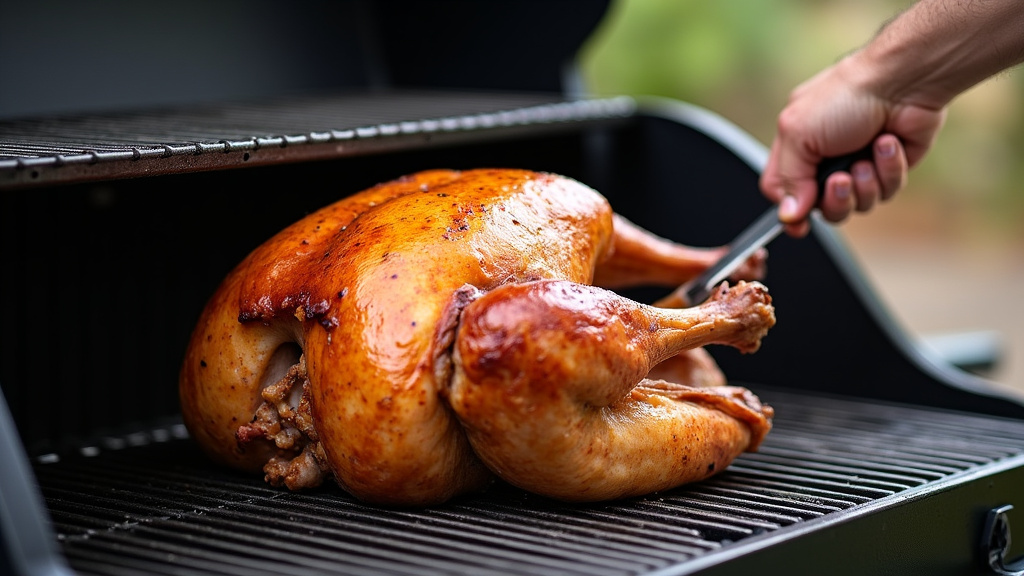
Place the turkey directly on the grates, breast-side up. This allows the smoke to circulate around the entire bird.
Monitoring Internal Temperature
This is arguably the most critical step to ensure a safe and delicious turkey. We always use a reliable meat thermometer.
Insert the thermometer into the thickest part of the thigh, making sure it doesn’t touch any bone. You are looking for a final internal temperature of 165°F (74°C).
Begin checking the temperature after about 3-4 hours of smoking, especially if you have a smaller bird. Keep your smoker lid or door closed as much as possible to maintain heat and smoke.
Estimated Smoking Times
Smoking times vary greatly depending on your smoker, the turkey’s size, and the external temperature. However, here’s a general guideline we often use:
- For a turkey smoked at 225°F, expect about 30-40 minutes per pound.
- At 250°F, it’s closer to 25-30 minutes per pound.
- If you smoke at 275°F, plan for about 20-25 minutes per pound.
Remember, these are estimates! The thermometer is your true guide. A 12-pound turkey at 250°F could take anywhere from 5 to 6 hours.
The All-Important Resting Period
You’ve waited patiently, the turkey looks amazing, and the thermometer says it’s done. Don’t grab that carving knife just yet!
Resting the turkey after it comes out of the smoker is an absolutely vital step that many people skip. We found that this step makes a huge difference in juiciness.
Tent the turkey loosely with foil. Let it rest for at least 20-30 minutes, or even up to an hour, before carving. This allows the juices, which have gathered at the center during cooking, to redistribute throughout the meat. If you carve too soon, all those delicious juices will run out onto your cutting board.
Final Checklist for a Flawless Smoked Turkey
Here’s a quick recap to ensure your smoked turkey turns out perfectly every time:
- Choose a turkey between 10-14 pounds.
- Thaw your turkey completely and brine it.
- Select a mild fruitwood like pecan or apple.
- Maintain a consistent smoker temperature between 225°F and 275°F.
- Monitor the turkey’s internal temperature, aiming for 165°F in the thickest part of the thigh.
- Rest the turkey for 20-30 minutes (covered loosely with foil) before carving.
Conclusion
Smoking a turkey might seem like a big undertaking, but with the right preparation and a little patience, you’ll create a truly unforgettable meal. We found that consistently following these steps ensures a moist, flavorful, and perfectly cooked bird every time. The low and slow method, combined with quality wood, delivers that irresistible smoky goodness. You’re not just cooking; you’re creating a centerpiece that will impress everyone at your table.
Get ready to become the go-to turkey expert. Now, go forth and smoke that turkey!
Frequently Asked Questions
How long does it take to smoke a 15-pound turkey?
A 15-pound turkey, smoked at about 250°F, typically takes between 6 to 7.5 hours. Always rely on a meat thermometer to confirm doneness, aiming for 165°F in the thickest part of the thigh.
Can I smoke a turkey that is not brined?
Yes, you can smoke an unbrined turkey, but it might not be as juicy. Brining significantly helps the meat retain moisture during the long smoking process, preventing it from drying out.
What if my turkey skin isn’t crispy?
Crispy skin can be a challenge with smoked turkey due to the moist environment. You can pat the skin very dry before smoking, or even finish the last 30 minutes in a hot oven (around 375-400°F) to crisp it up.
Should I flip or turn the turkey while smoking?
It’s generally best to avoid opening your smoker and flipping the turkey. Each time you open the lid, you lose heat and smoke, extending the cooking time. Place the turkey breast-side up and let the smoker do its work.
Can I use butter under the skin for a smoked turkey?
Absolutely! Placing compound butter (mixed with herbs and spices) under the skin can add flavor and help keep the breast meat moist. Just be gentle so you don’t tear the skin.
