
Why Is My Smoker Taking So Long to Heat Up?
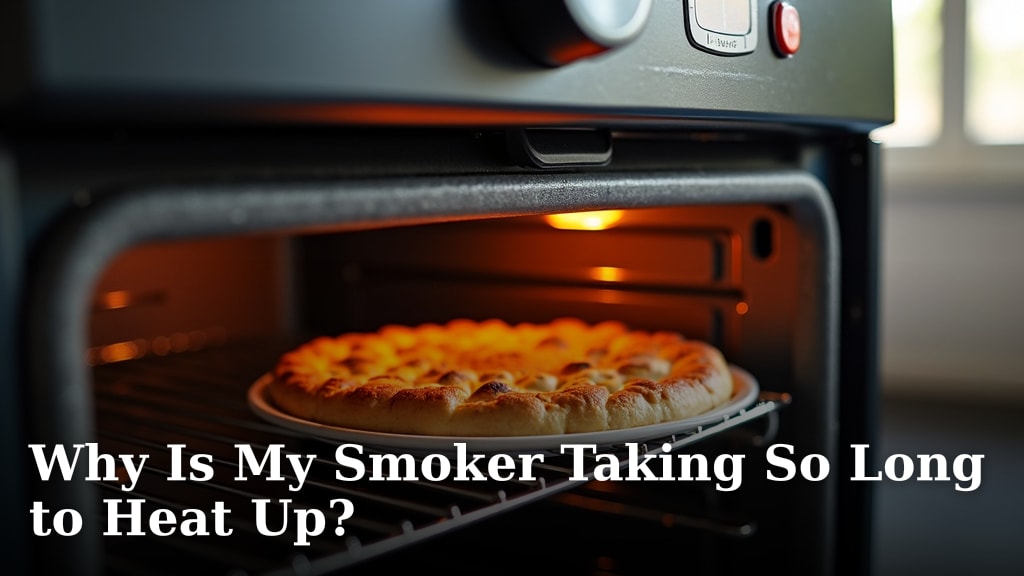
Your smoker taking too long to heat up can be frustrating. This often happens because of environmental factors, a clogged burner, or issues with the fuel source. Understanding these common culprits is the first step to getting your smoker to temperature faster.
When your smoker is slow to reach its target temperature, it can delay your cooking plans. We’ve found that cold weather, blocked airflow, and even the type of fuel you’re using can play a big role. Don’t worry, these are usually fixable problems.
- Cold weather makes heating slower.
- Dirty burners can block heat.
- Not enough fuel slows things down.
- Check your smoker’s airflow.
Let’s walk through the most common reasons why your smoker might be taking ages to heat up, and what you can do about it.
Troubleshooting a Slow-Heating Smoker
You’re ready to smoke some delicious meat, but your smoker is taking forever to get to temperature. It’s a common problem, and thankfully, often an easy fix. We’ve researched the most frequent reasons for this delay.
Understanding Ambient Temperature’s Impact
The weather outside plays a huge role in how quickly your smoker heats up. Cold air is denser and requires more energy to displace and warm. Think of it like trying to warm up your house on a frigid day – it takes longer than on a mild afternoon.
Many backyard cooks find that in temperatures below 50°F (10°C), their smoker’s heat-up time can increase by 50% or more. This is especially true for propane and electric smokers, which have less inherent heat to hold onto compared to their charcoal counterparts.
Wind and Its Chilling Effect
Wind is another environmental factor that can significantly slow down your smoker. A steady breeze can constantly pull heat away from the smoker’s body and exhaust ports. This forces the smoker to work harder just to maintain its current temperature, let alone reach a higher one.
If you’re smoking on a windy day, you might need to take extra precautions. This could involve using a windscreen or repositioning your smoker to a more sheltered area. We’ve found that even a simple barrier can make a noticeable difference.
Fuel Source and Quantity Issues
The type and amount of fuel you use are critical for achieving proper smoking temperatures. Running low on fuel is one of the simplest yet most overlooked reasons for a slow heat-up.
Not Enough Fuel
This might seem obvious, but it’s worth stating. If your fuel reservoir is low, your smoker simply doesn’t have enough material to burn and generate the heat you need. For charcoal smokers, this means not enough briquettes or chunks. For propane smokers, it means a nearly empty tank.
Always ensure you have more than enough fuel before you start. It’s better to have extra than to run out mid-cook or deal with a smoker that barely gets warm. We recommend having a backup bag of charcoal or a spare propane tank ready.
Using the Wrong Type of Fuel
Different types of wood and charcoal burn at different rates and produce varying amounts of heat. Using a fuel that burns too slowly or doesn’t get hot enough will naturally prolong the heating process.
For example, using very dense, unseasoned hardwood might take longer to ignite and reach optimal smoking temperatures compared to lighter woods or premium charcoal. Similarly, damp charcoal can struggle to burn efficiently. Always use fuel specifically designed for smokers and grills.
Propane Tank Level and Quality
For propane smokers, a propane tank that’s nearly empty can cause issues. As the tank empties, the pressure of the propane exiting the regulator can drop. This reduced pressure means less fuel is making its way to the burner, leading to slower heat-up and less consistent temperatures.
We’ve also seen reports that older propane tanks or those with faulty valves can restrict flow. If you suspect your tank might be the issue, consider trying a fresh, full tank. You can often check the weight of a propane tank to gauge its fullness.
Airflow Blockages: The Smoker’s Breathing Problem
Your smoker needs to breathe – it requires a constant flow of oxygen to feed the fire and exhaust the heat and smoke. Any obstruction to this airflow can cause it to take much longer to heat up.
Blocked Air Vents and Dampers
Smokers have adjustable vents or dampers to control the amount of oxygen entering the firebox and the amount of heat escaping. If these vents are closed too tightly or are clogged with ash and debris, they restrict airflow.
Ash buildup from previous cooks is a common culprit. It can cake onto vents and inside the smoker, creating a barrier. Research and guidelines from many grill manufacturers suggest cleaning out ash after every few uses. You should aim for your vents to be at least partially open when starting your smoker.
Clogged Burner Tubes (Propane/Electric)
For gas or electric smokers, the burner tubes or heating elements can become clogged with grease, food debris, or even spiderwebs. This buildup can prevent the burner from producing a full, consistent flame or heat output.
When burner ports are blocked, the fuel or electricity can’t reach its full potential to heat the smoker chamber. Many experts recommend cleaning these burner tubes periodically. You can often do this with a stiff brush or a pipe cleaner. Always ensure the smoker is completely cool and disconnected from its fuel source before cleaning.
Grease and Ash Buildup Inside the Smoker
Over time, grease and ash can accumulate on the inside surfaces of your smoker, including the heat deflectors and cooking grates. This buildup can act as an insulator, trapping heat and preventing it from circulating efficiently.
A deep clean can often resolve this. Removing these layers of old grease and ash allows heat to transfer more effectively. Many manufacturers advise a thorough cleaning at least once or twice a year, depending on usage.
Smoker Maintenance and Condition
Just like any appliance, your smoker needs regular maintenance to function optimally. Neglecting it can lead to performance issues, including slow heat-up times.
Age and Wear of Components
Older smokers, especially those that haven’t been well-maintained, may simply have components that are worn out. This could include failing igniters, deteriorating seals, or weakened insulation.
For propane smokers, a weak regulator or a leaky hose can impede gas flow. For electric smokers, the heating element might be losing efficiency. If your smoker is several years old and you’ve tried other fixes without success, it might be time to inspect or replace worn parts.
Improper Sealing and Insulation
Smokers rely on a reasonably tight seal to hold in heat. If the lid gasket is damaged or the door seals are compromised, heat will escape much faster than it can be generated.
You can often test for leaks by closing the lid on a piece of paper. If you can pull the paper out easily, the seal is likely weak. Replacing a damaged gasket is a relatively simple DIY repair that can significantly improve heat retention.
Checklist: Quick Fixes for Slow Heating
Here’s a quick rundown of things to check the next time your smoker is taking too long:
- Check the weather: Is it unusually cold or windy? Consider a windscreen.
- Inspect fuel levels: Do you have enough charcoal, wood, or propane?
- Clean the vents: Ensure all air intakes are clear of ash and debris.
- Examine burner ports: For gas/electric models, check for blockages.
- Clean the interior: Scrape away excess grease and ash buildup.
- Test seals: Look for any obvious leaks around the lid or door.
Conclusion
Getting your smoker up to temperature shouldn’t be a waiting game. We’ve covered how environmental factors like cold and wind can slow you down. You also learned how your fuel source and its quantity are vital for consistent heat. Don’t forget to check for airflow blockages from ash or debris. Regular maintenance also keeps your smoker performing its best.
By addressing these common issues, you can ensure your smoker heats up reliably. Take a moment to perform a quick check using our checklist before your next cook. Your delicious smoked meals await!
Frequently Asked Questions
Will a propane tank that’s almost empty affect my smoker’s heat-up time?
Yes, it absolutely can. As a propane tank empties, the pressure can drop, leading to less fuel reaching the burner. This means your smoker will struggle to get hot and maintain temperature. Always try a full tank if you suspect this is the issue.
How often should I clean the ash out of my smoker?
It’s a good practice to clean out ash after every few uses, or whenever you notice a buildup. Ash can clog vents and restrict the airflow your smoker needs to heat up efficiently. Keeping the vents clear is a simple but important step.
Can spiderwebs really slow down my smoker?
Believe it or not, yes! In gas or electric smokers, spiderwebs can build up in burner tubes or around heating elements. This blockage can prevent the burner from producing its full heat output, slowing down your smoker’s ability to reach temperature.
My smoker is old. Could its age be the reason it’s heating slowly?
It’s possible. As smokers age, components like seals, insulation, or even heating elements can wear out. A weak regulator on a propane smoker or a less efficient heating element on an electric one can definitely increase heat-up times.
What’s the best way to check if my smoker’s lid is leaking heat?
A simple test is the paper trick. Close the smoker lid with a piece of paper sandwiched between the lid and the smoker body. If you can easily pull the paper out, it indicates a weak seal. You might need to replace the gasket to improve heat retention.
