
Can You Smoke Meat with a Charcoal Grill?
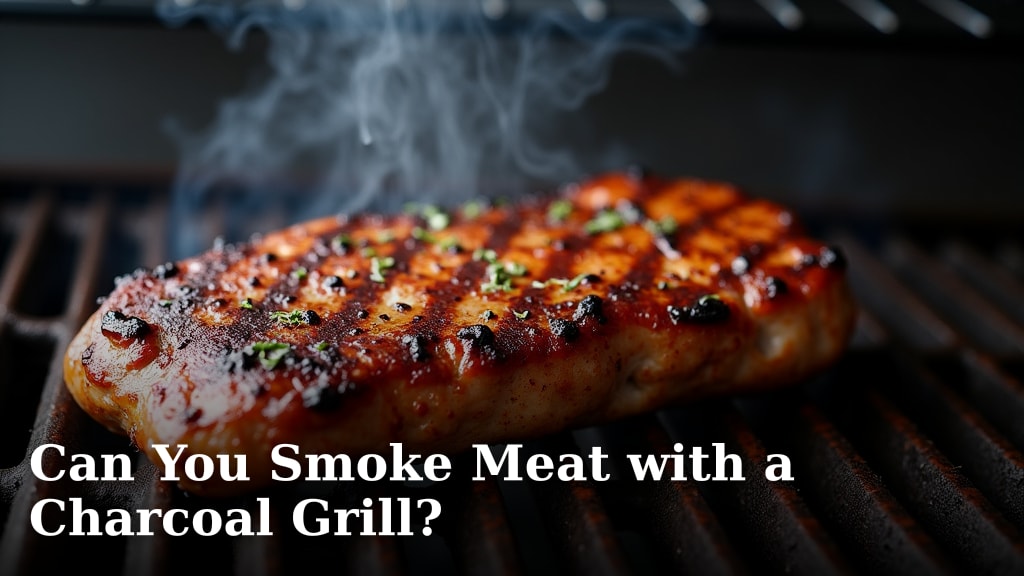
Yes, you can absolutely smoke meat with a charcoal grill. It’s a fantastic way to get that smoky flavor many people crave. You just need to manage your heat and airflow correctly to create a low and slow cooking environment, perfect for tender, delicious smoked meats like brisket or ribs. It’s all about finding that sweet spot for low temperatures.
Many backyard cooks think you need a fancy smoker to enjoy smoked foods. But we found that your trusty charcoal grill is more than capable. It just takes a little know-how to turn your grill into a low-and-slow machine. You can achieve incredible results with simple techniques that don’t require any special equipment, just some patience and attention to your fire.
TL;DR:
- Yes, smoking meat on a charcoal grill is very possible.
- It requires controlling heat and airflow for a low-and-slow cook.
- You don’t need a special smoker to get great smoky flavor.
- Proper technique is key to tender, delicious results.
Ready to give it a try? Let’s walk through exactly how you can achieve delicious smoked meats using just your charcoal grill.
Smoking Meat on Your Grill: It’s Totally Possible
You’re probably wondering if your trusty charcoal grill can really handle the slow, smoky magic of barbecue. The short answer is a resounding yes! Many home cooks believe you need a dedicated smoker, but we found that your existing charcoal grill can absolutely turn out mouthwatering smoked meats. It’s all about understanding how to control the heat and airflow to create that perfect low-and-slow environment. You don’t need to buy any special equipment; your grill is already equipped to be a smoker with a few simple adjustments.
Setting Up Your Grill for Smoking
The biggest difference between grilling and smoking on a charcoal grill is the temperature. Grilling is typically done at high heat, while smoking needs a much lower temperature, usually between 225°F and 275°F. Getting your grill to maintain this consistent, low heat is the key to success.
Choosing the Right Charcoal
For smoking, we recommend using lump charcoal over briquettes. Lump charcoal burns hotter and cleaner, and it’s made from 100% hardwood. This means less ash and a more pure smoky flavor. Briquettes can contain additives that might impart an unwanted taste to your meat. Research shows that pure hardwood charcoal provides a more consistent burn and cleaner smoke (USDA).
The Importance of Wood Chunks or Chips
Charcoal provides the heat, but wood provides the smoke flavor. You’ll need to add wood chunks or chips to your charcoal. Wood chunks are larger and burn longer, providing a steady smoke for extended periods, which is ideal for longer cooks like brisket or pork shoulder. Wood chips are smaller and burn faster, creating a more intense smoke for shorter periods. For most smoking applications on a grill, wood chunks are preferred.
Popular Wood Types for Smoking
- Hickory: A classic choice, offering a strong, bacon-like flavor that pairs well with pork and beef.
- Oak: A milder, versatile wood that’s excellent for larger cuts like brisket and ribs. It provides a clean, straightforward smoky taste.
- Mesquite: Known for its intense, bold flavor, best suited for shorter cooks or smaller cuts of meat where you want a pronounced smoky punch.
- Fruitwoods (Apple, Cherry): These offer a sweeter, more delicate smoke, perfect for poultry and pork, adding a subtle fruitiness.
We found that experimenting with different wood types can really help you discover your favorite flavor profiles.
Arranging Your Fuel for Indirect Heat
This is where the magic happens. To achieve low temperatures, you need to set up your grill for indirect heat. This means the coals and wood are on one side of the grill, and the meat is on the other, away from the direct heat source. This prevents the meat from drying out or burning.
The Minion Method
The Minion Method is a popular technique for setting up your charcoal. You start by arranging a large mound of unlit charcoal in the center of your grill. Then, you place a few lit coals on top of the mound to slowly ignite the unlit coals. The idea is to have the coals smolder slowly over a long period, providing consistent heat. We found this method is excellent for maintaining temperature for 4-6 hours.
The Snake Method (or\%), Brick Method
Another effective setup is the “snake” or “log” method. You create a “snake” of charcoal briquettes (or lump charcoal) along one side of the grill, with wood chunks interspersed. You then place a few lit coals at one end of the snake to get it started. This creates a long, slow burn that moves across the coals, maintaining a consistent temperature. Many grill masters swear by this for its temperature stability over many hours.
Controlling Temperature and Airflow
Once your charcoal and wood are in place, temperature control becomes your primary focus. This is managed mainly through the grill’s vents. Your goal is to create a gentle, consistent smoke and heat, not a raging inferno.
Using Your Grill’s Vents
Your grill has vents on the bottom and the lid. The bottom vents control the oxygen supply to the coals. Opening them more allows more air in, increasing the temperature. Closing them restricts airflow, lowering the temperature. The top vent controls how much heat and smoke escape. Partially closing the top vent helps to trap heat and smoke, maintaining a consistent cooking environment.
Finding the Sweet Spot
We found that a good starting point is to have the bottom vents about halfway open and the top vent mostly open, but adjustable. As you monitor your grill’s thermometer, you’ll learn how adjusting these vents affects the temperature. It’s a bit of an art, but with practice, you’ll get a feel for it. Many cooking guides suggest keeping the top vent mostly open to allow dirty smoke to escape and cleaner smoke to envelop the meat (National BBQ News).
Monitoring Your Grill’s Temperature
Don’t rely solely on your grill’s built-in thermometer; they can often be inaccurate. We recommend investing in a reliable digital probe thermometer. You can place one probe inside the grill to monitor the ambient air temperature and another probe inside the meat to track its internal temperature. This dual monitoring is essential for maintaining the correct temperature range.
The Smoking Process: What to Expect
Smoking meat is a different beast than grilling. It requires patience and a watchful eye, but the rewards are well worth the effort. You’re aiming for a long, slow cook that tenderizes tough cuts and infuses them with delicious smoke flavor.
Preparing Your Meat
Before you put meat on the grill, consider a dry rub. This is a mixture of spices, herbs, and sometimes sugar. It helps to season the meat, create a flavorful crust (called a bark), and can even aid in tenderizing. Research indicates that rubs can penetrate the meat and enhance its overall flavor profile (Texas A&M AgriLife Extension).
Managing the Smoke
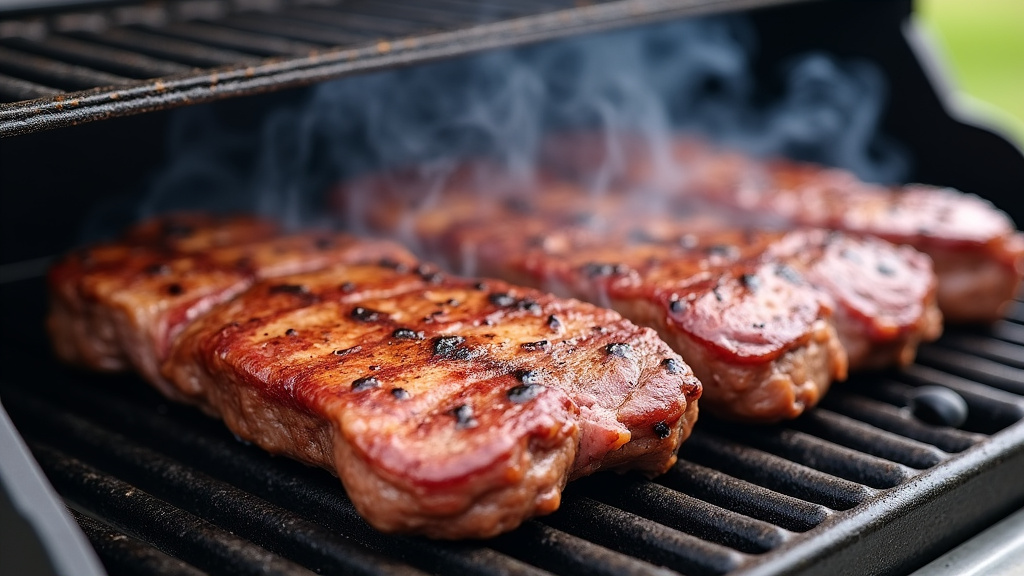
You want a thin, light blue smoke, often referred to as “clean smoke.” Thick, white smoke can impart a bitter, acrid flavor to your food. This usually happens when the fire isn’t burning efficiently or when you have too much wood. If you see thick white smoke, adjust your vents to increase airflow and help the wood burn cleaner. Remember, you’re looking for a gentle, consistent smolder, not a roaring fire.
When is the Meat Done?
The doneness of smoked meat isn’t just about reaching a specific internal temperature; it’s also about tenderness. For tough cuts like brisket or pork shoulder, you’re looking for them to be probe-tender. This means when you insert a thermometer or skewer, it slides in with very little resistance, like probing butter. While target temperatures are important guides, texture is the ultimate indicator of readiness for these cuts.
Target Internal Temperatures for Smoking
While texture is key, internal temperatures are your guide. Here are some general targets:
| Meat Type | Target Internal Temperature | Notes |
|---|---|---|
| Pork Shoulder (Pulled Pork) | 195°F – 205°F | Aim for probe-tender. |
| Brisket | 195°F – 205°F | Aim for probe-tender. |
| Pork Ribs | 190°F – 205°F | Bones should easily pull free. |
| Chicken | 165°F – 175°F | Ensure all parts reach safe temperature. |
Always use a reliable meat thermometer to check. We found that these temperatures ensure your meat is both safely cooked and wonderfully tender.
Your Smoking Grill Checklist
Ready to get started? Here’s a quick rundown to make sure you have everything you need:
- Charcoal: Lump charcoal is preferred for a clean burn.
- Wood Chunks: Select your favorite wood for flavor.
- Grill Setup: Arrange for indirect heat (Minion or Snake method).
- Thermometer: A digital probe thermometer is essential for accuracy.
- Patience: Smoking is a slow and rewarding process.
- A Watchful Eye: Monitor temperature and adjust vents as needed.
Conclusion
You’ve learned that smoking meat on your charcoal grill is absolutely achievable. By mastering indirect heat, controlling airflow with your vents, and using the right wood for flavor, you can transform your backyard grill into a smokehouse. It takes patience and attention, but the delicious results are incredibly rewarding. Don’t let the thought of a specialized smoker hold you back. Now, you’re ready to fire up your grill, get that clean smoke going, and enjoy your own perfectly smoked barbecue.
Frequently Asked Questions
Do I need special charcoal for smoking?
While you can smoke with briquettes, lump charcoal is generally recommended. It burns hotter and cleaner, producing less ash and a purer smoke flavor without additives. This can make maintaining a consistent temperature easier and improve the taste of your meat.
How much wood should I use when smoking on a charcoal grill?
Start with a few wood chunks placed among your unlit coals before you begin. You want a consistent, light blue smoke, not a heavy, acrid white smoke. You can always add more wood if needed, but it’s harder to remove smoke once it’s too much.
What’s the biggest mistake people make when smoking on a charcoal grill?
The most common mistake is not managing the temperature correctly. Many people let the fire get too hot, or they don’t set up for indirect heat. This can lead to dried-out, burnt, or undercooked meat. Consistent low temperatures are key.
How do I keep my grill’s temperature steady for long cooks?
Techniques like the Minion Method or the Snake Method are designed to create a slow, controlled burn. Regularly monitoring your grill’s temperature and making small adjustments to the vents are also essential for maintaining stability over several hours.
Can I smoke different types of meat on a charcoal grill?
Absolutely! Your charcoal grill is versatile enough for most meats. Tougher cuts like brisket and pork shoulder benefit from the long, slow smoke to become tender. You can also smoke ribs, chicken, and even fish. Just adjust your cooking time and target internal temperatures accordingly.
