
Can You Use a Smoker in the Winter?
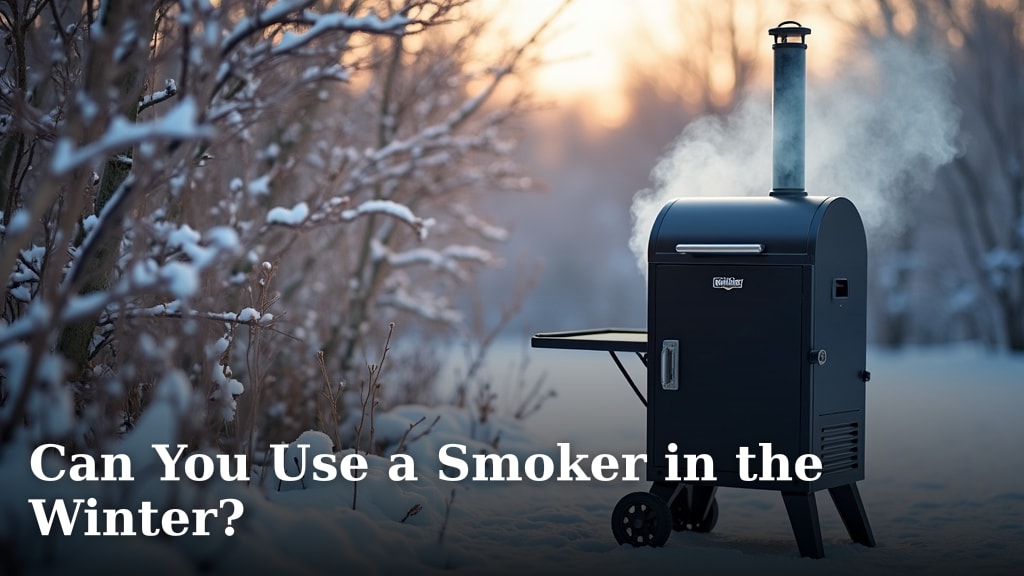
Yes, you absolutely can use your smoker in the winter! While cold weather can make things a bit trickier, it doesn’t mean you have to put away your smoking gear until spring. With a few adjustments, you can enjoy delicious smoked foods all year round. Many pitmasters have found success smoking in the cold, proving it’s more about your approach than the season itself. You just need to be prepared for **different cooking times** and **potential challenges**.
Cold air can affect your smoker’s temperature control. You might find your smoker struggles to maintain a consistent heat. This means your cooks could take longer than usual. It’s important to be patient and monitor your smoker closely. You’ll want to pay extra attention to your smoker’s **insulation** and the **stability of your temperature**. Being aware of these factors is key to **successful winter smoking**. Maintaining the stability of your temperature is crucial for successful winter smoking.
- Yes, winter smoking is totally possible.
- Expect longer cooking times due to cold air.
- Monitor smoker temperature closely.
- Consider insulation and consistent heat.
- Proper preparation makes it enjoyable!
Let’s walk through how to handle smoking in colder temperatures, so you can keep those smoky flavors coming no matter the season.
Smoking Your Smoker in Colder Weather: What to Know
Yes, you can absolutely keep smoking through the winter months! Many pitmasters agree that with a few adjustments, your smoker can perform just as well in the cold as it does in the heat. The primary difference you’ll notice is that your smoker might struggle to maintain a consistent internal temperature. This is because the cold air outside works against the heat inside your smoker. Think of it like trying to keep a cozy room warm when all the windows are open – it takes a lot more effort. This means your cooking times will likely be longer. You’ll need to be patient and keep a close eye on your smoker’s temperature readings. We’ll guide you through the best ways to manage this so you can enjoy delicious smoked meals year-round.
Understanding Cold Weather’s Impact on Your Smoker
Cold air is denser and colder than warm air. When this cold air surrounds your smoker, it draws heat away from the cooking chamber more rapidly. This makes your smoker work harder to reach and maintain your target temperature. It’s a bit like trying to boil water on a frigid day; it just takes longer. This effect is more pronounced in certain types of smokers, especially those with less insulation.
Temperature Fluctuation: The Biggest Hurdle
The most common challenge you’ll face is temperature fluctuation. Your smoker might struggle to hold a steady temperature, leading to dips and spikes. This can affect the consistency of your food’s texture and flavor. You might find yourself constantly adjusting the vents or fuel source, which can be a bit of a dance. Some experts suggest that cold weather can add **10-50% more time** to your cooks, depending on the outside temperature and your smoker type. This is why preheating your smoker for a longer period is so important in the winter.
Fuel Consumption: A Winter Reality
Because your smoker is working harder to combat the cold, you’ll likely find yourself using more fuel. Whether you’re using charcoal, wood chunks, or propane, it will burn faster. This isn’t necessarily a bad thing; it’s just something to prepare for. Keep extra fuel on hand to avoid running out mid-cook. You don’t want to be stuck in the cold, digging through snow for more charcoal!
Preparing Your Smoker for Winter Conditions
Preparation is key to successful winter smoking. A little extra effort before you start can make a world of difference. Think of it like getting your car ready for winter – you wouldn’t just drive off into a snowstorm without checking your tires and fluids, right? Your smoker deserves the same consideration.
Insulate Your Smoker
Proper insulation is your best friend when smoking in the cold. Some smokers are better insulated than others. For those that aren’t, you can add external insulation. A thick, heavy-duty welding blanket or a specialized smoker cover can help trap heat inside. Just be sure not to cover any vents that need to allow airflow. These blankets are designed to withstand high temperatures and are fire-resistant. They can significantly improve your smoker’s ability to maintain a consistent temperature.
DIY Insulation Hacks
If you don’t have a commercial insulation blanket, you can get creative. Some people use layers of heavy-duty foil or even old blankets (making sure they are kept a safe distance from any direct heat source). Always prioritize **fire safety** when attempting DIY insulation. Ensure there’s always adequate airflow to your fire, and never obstruct the exhaust vents.
Preheat Thoroughly
This is more critical in winter. Allow your smoker to preheat for at least 30-60 minutes, possibly longer. This ensures the entire smoker body is warmed up and ready to maintain the target temperature once you add your food. A longer preheat helps combat the initial cold shock when you open the lid to add your meat. You want the smoker to be as hot as possible before you start the actual smoking process.
Positioning Your Smoker
Where you place your smoker matters. If possible, set it up in a location that offers some protection from the wind. A corner of your deck, a sheltered patio, or even a garage (with the door wide open for ventilation, of course!) can make a difference. Wind chill can rapidly cool down your smoker’s exterior, making it harder to keep the internal temperature steady. Think of it like shielding yourself from a biting wind – it makes a big difference in how cold you feel.
Adjusting Your Cooking Strategy for Winter
Once your smoker is ready, you’ll need to adapt your cooking process. The cold air and potential temperature swings mean you can’t just set it and forget it, at least not as easily as you might in warmer weather.
Monitor Temperature Constantly
This cannot be stressed enough. Use a reliable wireless meat thermometer with multiple probes. Place one probe in the meat and another in the smoker itself, near the grate. This allows you to monitor both the food and the smoker’s ambient temperature without constantly opening the lid. Opening the lid is a sure way to lose heat, and you’ll do that less if you have a good thermometer. Many experts recommend keeping an eye on the temperature every **30-60 minutes**.
Understanding Temperature Logs
Keeping a log of your temperature readings can be helpful. Note down when you see significant drops and what you did to correct them. This can help you learn your smoker’s behavior in different winter conditions. You might discover patterns specific to your smoker and your climate. This log becomes your personal guide for future cold-weather cooks.
Be Prepared for Longer Cook Times
As mentioned, expect your cooks to take longer. Don’t rush the process. Patience is a virtue, especially when smoking meat. A longer cook time means the meat has more time to absorb smoke flavor, which can be a great bonus. Just adjust your schedule accordingly. If a brisket usually takes 12 hours, prepare for it to potentially take 14-16 hours in the winter. It’s always better to have your food finish later than expected than to pull it off too early and have it be tough or undercooked.
Dealing with Wind and Snow
If you’re dealing with snowy or windy conditions, you might need some extra measures. A windscreen can be helpful, especially if your smoker is in an exposed area. Some pitmasters use large umbrellas or even temporary structures to shield their smokers. For snow, you might need to brush off accumulated snow from the lid periodically to ensure proper venting. However, always ensure your setup doesn’t restrict airflow or create a fire hazard.
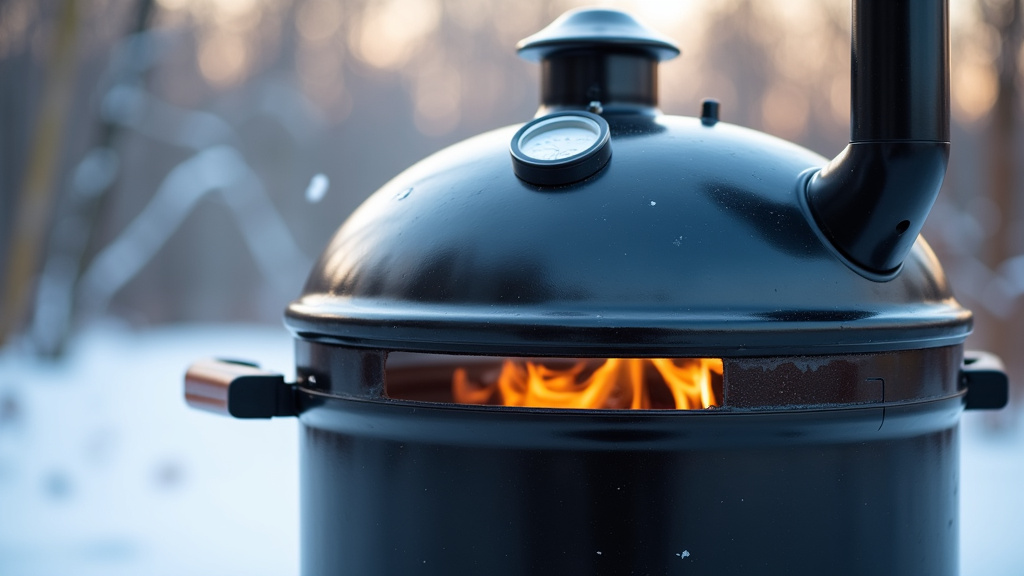
Troubleshooting Common Winter Smoking Issues
Even with the best preparation, you might encounter a few hiccups. Don’t get discouraged; these are common issues for winter smokers.
Smoker Won’t Stay Lit or Hot Enough
This is often due to poor airflow or insufficient fuel. Ensure your vents are open enough to allow adequate oxygen to reach the fire. If using charcoal, make sure it’s fully lit and you have a good bed of coals. For pellet grills, check that the hopper is full and the igniter is working correctly. Sometimes, simply adding more fuel can resolve the issue. A well-insulated smoker also helps maintain heat, so consider that if this is a recurring problem.
Frozen Water Pans
If your smoker uses a water pan for moisture, it can freeze in very cold temperatures. To prevent this, you can preheat the water before adding it to the pan. Some people also use a slightly warmer liquid, like a broth or apple juice, which takes longer to freeze. Another trick is to place the water pan closer to the heat source, but be cautious not to boil it dry too quickly. You want moisture, not steam!
Winter Smoking Checklist for Success
Here’s a quick checklist to help you get ready for your winter smoking adventure:
- Check your smoker’s condition and clean it.
- Gather extra fuel (charcoal, wood, pellets, propane).
- Prepare insulation (blanket, cover).
- Have a reliable thermometer ready.
- Plan for longer cooking times.
- Choose a sheltered spot for your smoker.
Conclusion
You’ve learned that smoking in the winter is completely achievable. While the cold brings challenges like longer cook times and temperature dips, they are manageable with the right approach. By focusing on insulation, thorough preheating, and constant temperature monitoring, you can overcome these hurdles. Don’t let the season stop you from enjoying your favorite smoked dishes. Your next delicious winter cook is just a few preparations away. Get out there and smoke!
Frequently Asked Questions
How much longer will my food take to cook in the winter?
Research and experience suggest winter cooks can take 10-50% longer than usual. This range depends heavily on your smoker type and how cold it is outside. Always plan for an extended cooking window and avoid rushing the process.
What’s the best way to insulate my smoker for winter?
A heavy-duty welding blanket or a specialized smoker cover works well. You can also use layers of heavy-duty foil, but always ensure you maintain proper airflow and keep flammable materials a safe distance from heat sources.
Can I use my smoker in the garage during winter?
You can, but only with the garage door fully open for ventilation. Never operate a smoker in an enclosed space due to the risk of carbon monoxide poisoning. Ensure there’s plenty of fresh air circulation.
My water pan keeps freezing. What can I do?
To prevent your water pan from freezing, try preheating the water before adding it. Using a warmer liquid, like broth or apple juice, can also help it stay liquid longer. Alternatively, position the pan closer to the heat source but watch it carefully to avoid boiling dry.
Is it safe to smoke in windy conditions during winter?
Smoking in the wind requires extra caution. Position your smoker in a sheltered spot if possible, or use a windscreen. Always ensure that any shielding doesn’t restrict airflow to your fire or create a fire hazard. Keep an eye on temperature stability.
