
What Is the Best Internal Temp for Smoked Chicken?
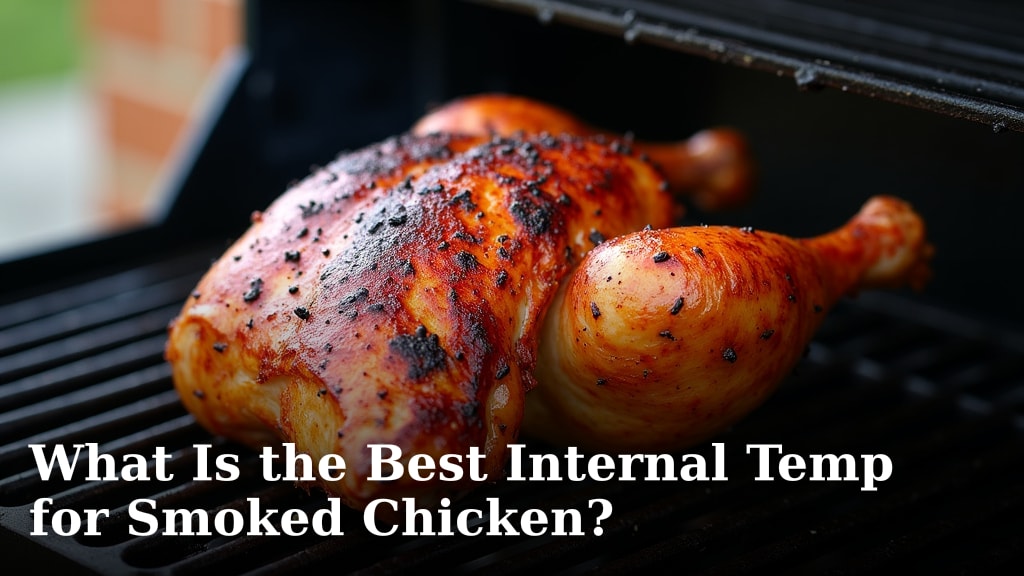
The best internal temperature for smoked chicken is 165°F (74°C). Reaching this temperature ensures your chicken is both safe to eat and deliciously cooked. Always check the thickest part of the thigh, avoiding the bone, for an accurate reading.
Knowing the right temperature is key to avoiding dry, overcooked chicken or undercooked, potentially unsafe meat. Smoked chicken can be tricky, as the smoking process itself can dry it out. We found that using a reliable meat thermometer is your best friend for perfect results every time. It’s all about hitting that target temperature precisely.
- Best internal temp for smoked chicken: 165°F (74°C).
- Check the thickest part of the thigh.
- Avoid the bone when taking temperature.
- A meat thermometer is essential for safety and taste.
Ready to master your smoked chicken? Let’s break down exactly how to hit that perfect temperature for juicy, flavorful results.
Hitting the Perfect Smoked Chicken Temperature
You’ve prepped your chicken, you’ve set up your smoker, and you’re ready to go. But what’s the magic number for that perfect internal temperature? We found that for smoked chicken, 165°F (74°C) is your golden ticket.
This temperature is the widely accepted safe internal temperature for poultry. It means the chicken is cooked through. It also helps kill any harmful bacteria that might be present. This is your **primary safety goal** when smoking chicken.
Why 165°F is the Target for Smoked Chicken
So, why 165°F and not something lower or higher? It all comes down to food safety and texture. Research from agencies like the USDA consistently points to 165°F as the temperature where poultry is considered safe to consume. This isn’t just a suggestion; it’s based on scientific evidence regarding microbial inactivation.
Think of it like this: lower temperatures might leave some sneaky bacteria alive. Higher temperatures, while definitely killing bacteria, can turn your juicy chicken into something a bit like shoe leather. Hitting that 165°F mark strikes the perfect balance.
Food Safety First: The Science Behind the Temp
The main reason for the 165°F target is to ensure any harmful bacteria, like Salmonella, are destroyed. Many food safety guidelines, including those from the CDC, recommend cooking chicken to this internal temperature. This ensures that the meat is **safe from foodborne illnesses**.
It’s important to note that while 165°F is the target, the chicken will continue to cook a bit after you pull it from the smoker. This is called carryover cooking. So, pulling it right at 165°F is key.
Beyond Safety: Achieving Optimal Texture and Flavor
While safety is non-negotiable, 165°F also happens to be a temperature that often yields great texture. For smoked chicken, especially parts like the breast, this temperature provides a good balance before the meat starts to dry out significantly.
Many pitmasters and home cooks have found that for dark meat like thighs and legs, you can even go a little higher for a better texture. We’ll touch on that more later. But for white meat and whole birds, 165°F is where you want to be for that **tender, cooked-through result**.
Where to Take Your Temperature Reading
Knowing the target temperature is only half the battle. The other half is knowing exactly where to stick your thermometer. For whole smoked chicken, or even pieces, the **thickest part of the thigh** is your best bet. This area typically takes the longest to cook.
Make sure you’re inserting the thermometer into the muscle meat. It’s really important to **avoid touching the bone**. Bones can conduct heat differently than the meat. This can give you a false reading. A bone reading might be higher than the actual meat temperature. This could lead you to believe the chicken is done when it’s not.
Checking Whole Chickens
If you’re smoking a whole bird, you’ll want to check multiple spots. Target the thickest part of the breast meat, the thickest part of the thigh, and also the wing joint. The thigh is usually the best indicator because it’s denser.
Many experts suggest that once the thigh reaches 165°F, the breast will likely be very close, if not already there. It’s a good way to ensure the whole bird is cooked evenly. Remember to **pull the thermometer out carefully** after each reading.
Checking Chicken Parts (Breasts, Thighs, Wings)
When you’re smoking individual chicken parts, the principle is the same. For a chicken breast, find the thickest portion. For thighs or drumsticks, find the meatiest part, again, being careful to **avoid the bone**. Wings are smaller, so they cook faster. You’ll still aim for that 165°F.
Using the Right Tool: Your Meat Thermometer
You simply cannot achieve perfectly cooked smoked chicken without a reliable meat thermometer. Relying on visual cues like juices running clear can be hit or miss. Temperatures are **precise and scientific**.
There are several types of thermometers available. Digital instant-read thermometers are very popular. They give you a quick and accurate reading. Many pitmasters also use leave-in probe thermometers. These allow you to monitor the temperature continuously without opening the smoker lid.
Digital Instant-Read Thermometers
These are fantastic for quick checks. You simply insert the probe into the thickest part of the meat, and it gives you a reading in a few seconds. They are relatively inexpensive and a **must-have for any cook**. We found that a good digital thermometer makes a world of difference in consistency.
Leave-In Probe Thermometers
These thermometers have a probe that stays in the meat during the entire cooking process. The display unit sits outside the smoker, showing you the real-time temperature. This is great for longer cooks like smoking a whole chicken. It helps you monitor the temperature without constantly opening the smoker door. Opening the lid lets heat escape, which can **extend your cooking time**.
Understanding Temperature Variations in Smoked Chicken
You might notice that different parts of your smoked chicken can reach different temperatures. This is completely normal. Chicken breasts are lean and cook faster. Dark meat, like thighs and legs, has more fat and connective tissue. It can handle higher temperatures and often becomes more tender when cooked past 165°F.
White Meat vs. Dark Meat: A Tale of Two Textures
For chicken breasts, once they hit 165°F, they are done. Continuing to cook them much past this point can lead to dryness. We’ve all had that dry chicken breast, right? It’s not ideal.
Dark meat, however, is more forgiving. Many pitmasters recommend cooking chicken thighs and legs to a higher temperature, often between 170°F and 175°F (77°C – 79°C). At these temperatures, the connective tissues break down. This results in a **super tender and juicy texture**. So, while 165°F is the minimum safe temp, don’t be afraid to push dark meat a little further for better results.
The Role of Carryover Cooking
Remember that carryover cooking we mentioned? After you remove the chicken from the heat source, its internal temperature will continue to rise for a short period. This is because the meat is still retaining heat.
For this reason, many cooks will pull their chicken when it’s just a few degrees below their target temperature. For example, if your target is 165°F, you might pull it at 162°F or 163°F. This allows the temperature to rise to 165°F as it rests. This prevents you from **accidentally overcooking** your chicken.
Tips for Ensuring a Perfect Cook Every Time
Achieving that perfect internal temperature for smoked chicken isn’t just about luck. A few smart practices can make all the difference. Paying attention to these details will help you avoid disappointment and serve up delicious, safe chicken.
Resting Your Chicken is Non-Negotiable
Once your chicken reaches the target temperature, don’t cut into it immediately! Resting is a critical step. It allows the juices to redistribute throughout the meat. Without resting, those juices will run out onto your cutting board, leaving you with dry chicken.
For whole chickens, aim for a rest time of at least 10-15 minutes. You can tent it loosely with foil. For smaller pieces, 5-10 minutes is usually sufficient. This resting period also allows for that carryover cooking to finish the job. It helps ensure your chicken is **perfectly cooked and moist**.
Consistency in Smoker Temperature
Maintaining a stable temperature in your smoker is key. Fluctuations can lead to uneven cooking and unpredictable results. Try to keep your smoker temperature as steady as possible throughout the cook. If you’re using wood chunks or chips, ensure they are smoldering properly and not flaming up.
Many smokers have built-in thermometers, but it’s wise to use an **additional oven thermometer** inside your smoker. This gives you a more accurate reading of the actual cooking temperature. Consistent heat means more consistent temperatures within your chicken.
Quick Checklist for Perfect Smoked Chicken Temp
- Monitor your smoker’s temperature consistently.
- Use a **reliable meat thermometer**.
- Check the **thickest part of the thigh**, avoiding the bone.
- Aim for 165°F (74°C) for white meat and minimum safety.
- Consider cooking dark meat to 170-175°F (77-79°C) for tenderness.
- Rest your chicken after cooking before carving.
Conclusion
You’ve learned that the golden rule for perfectly smoked chicken is hitting that 165°F (74°C) internal temperature. This isn’t just about taste; it’s your guarantee of a safe and delicious meal. Remember to always use your trusty meat thermometer and check the thickest part of the thigh, away from the bone. Don’t forget the power of resting your chicken after cooking to lock in all those wonderful juices. Now you’re fully equipped to smoke chicken like a pro!
Frequently Asked Questions
What if my smoked chicken thigh is 165°F but the breast is still a bit lower?
This is common due to different meat densities. If the thigh has reached 165°F, the breast will likely catch up soon. You can let it cook a little longer, checking the breast frequently. Alternatively, you can remove the thigh to rest and let the breast finish cooking to 165°F.
Can I use a visual test instead of a thermometer for smoked chicken?
While visual cues like clear juices are helpful, they aren’t as reliable as a thermometer. Different parts of the chicken can cook at different rates. A meat thermometer provides the accuracy you need to ensure your chicken is both safe and perfectly cooked to 165°F.
My smoked chicken breast feels dry even when it reached 165°F. What went wrong?
Chicken breasts are lean and can dry out quickly. You might have overcooked it slightly, or perhaps it cooked too fast. Ensure your smoker temperature is consistent and pull the chicken as soon as it hits 165°F. Resting it properly afterward also helps retain moisture.
Is 165°F the only safe temperature for all poultry?
For chicken and turkey, 165°F is the USDA-recommended minimum safe internal temperature. Other poultry, like duck or goose, might have slightly different recommended temperatures due to their fattier nature, but 165°F is the standard for chicken safety.
How long should I let my smoked chicken rest after cooking?
Resting is essential for juicy chicken. For a whole smoked chicken, aim for at least 10-15 minutes, loosely tented with foil. Smaller pieces like breasts or thighs can rest for about 5-10 minutes. This allows the juices to redistribute throughout the meat.
